Composite Panel Products
Explore our comprehensive range of lightweight composite panels engineered for transportation, construction, marine, and automotive industries. Each product line features detailed technical specifications, face sheet options, and application matching to help you select the optimal solution.
PP Honeycomb Sandwich Panels
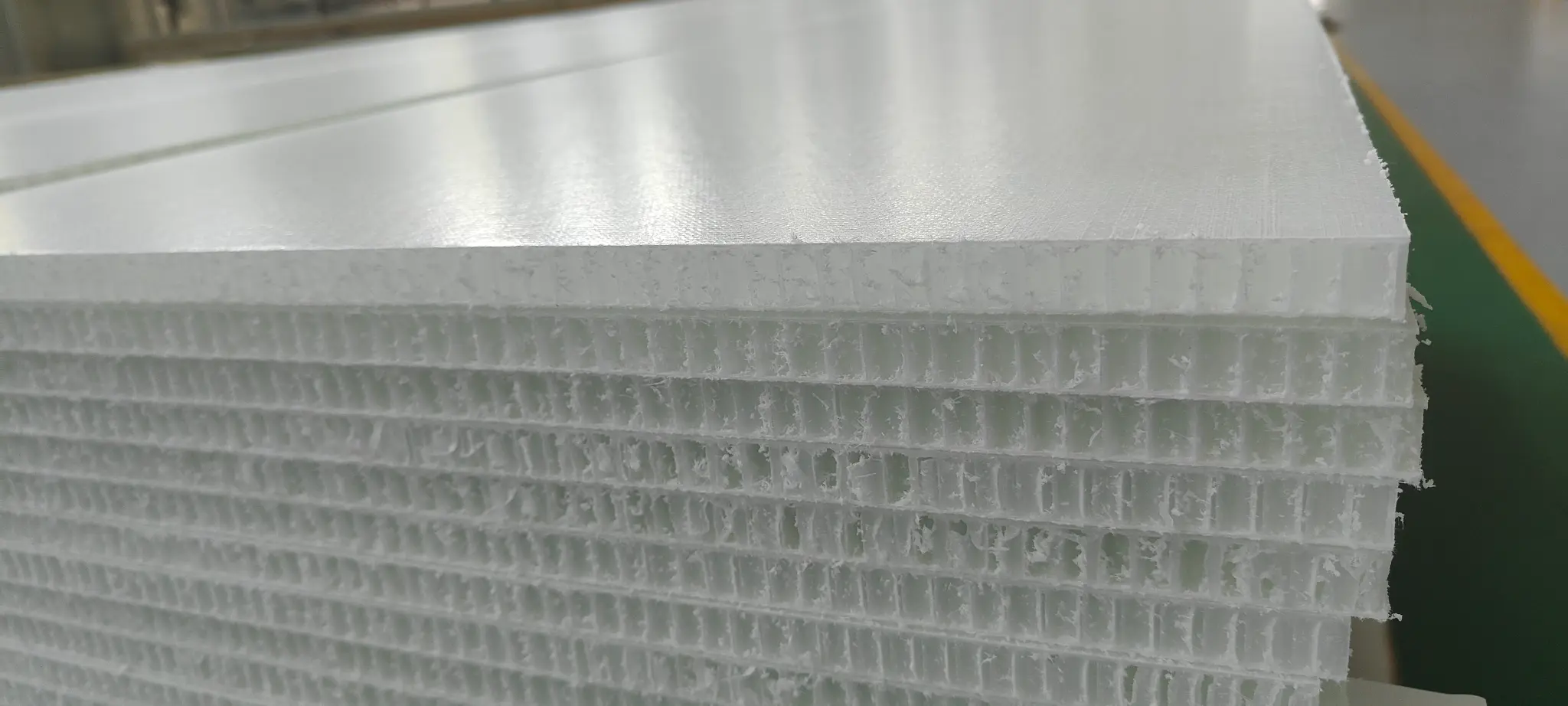
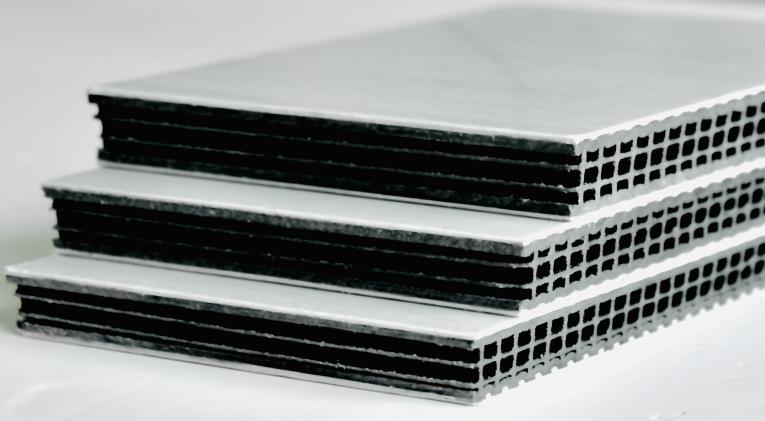
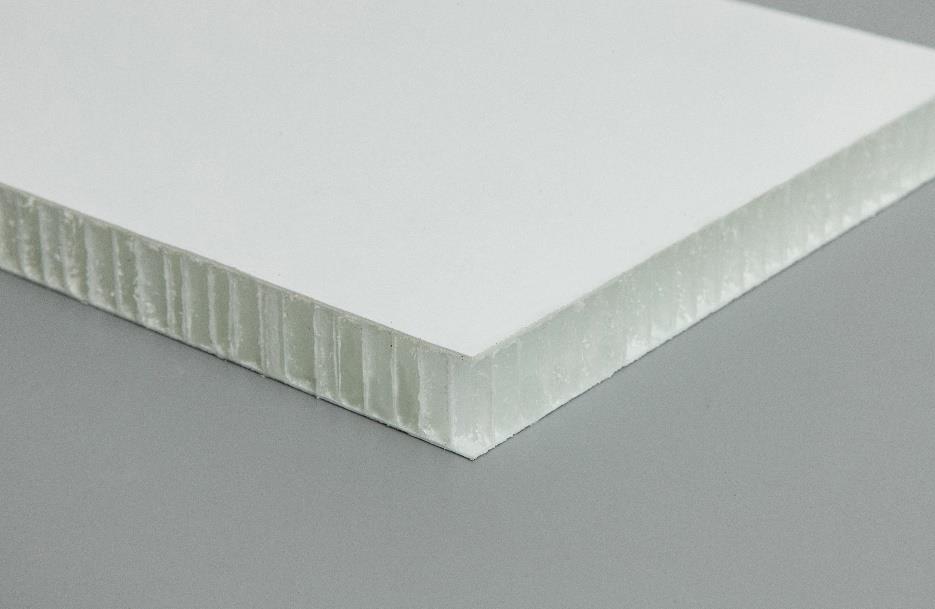
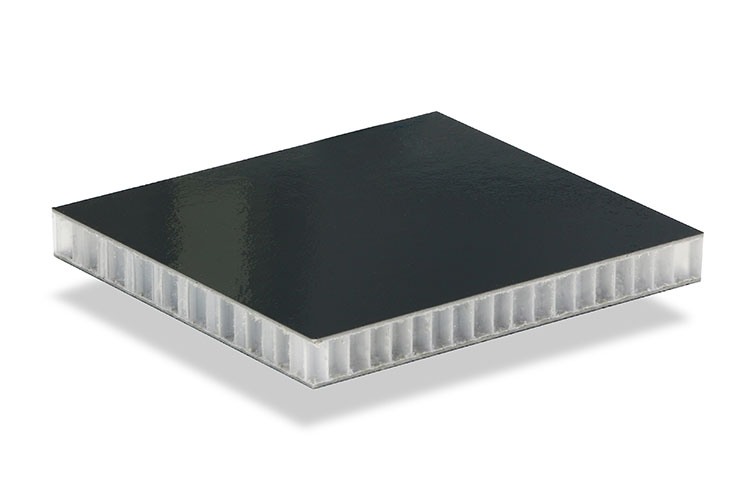
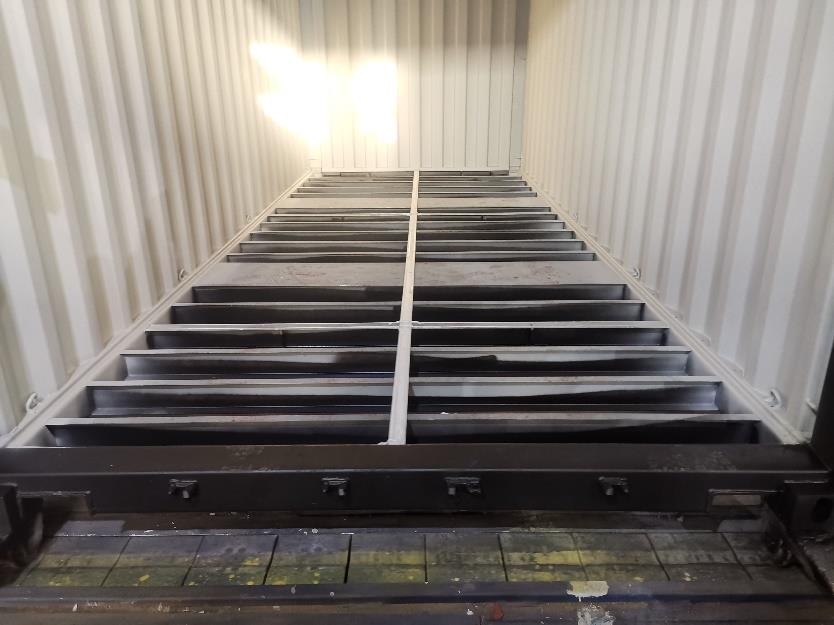
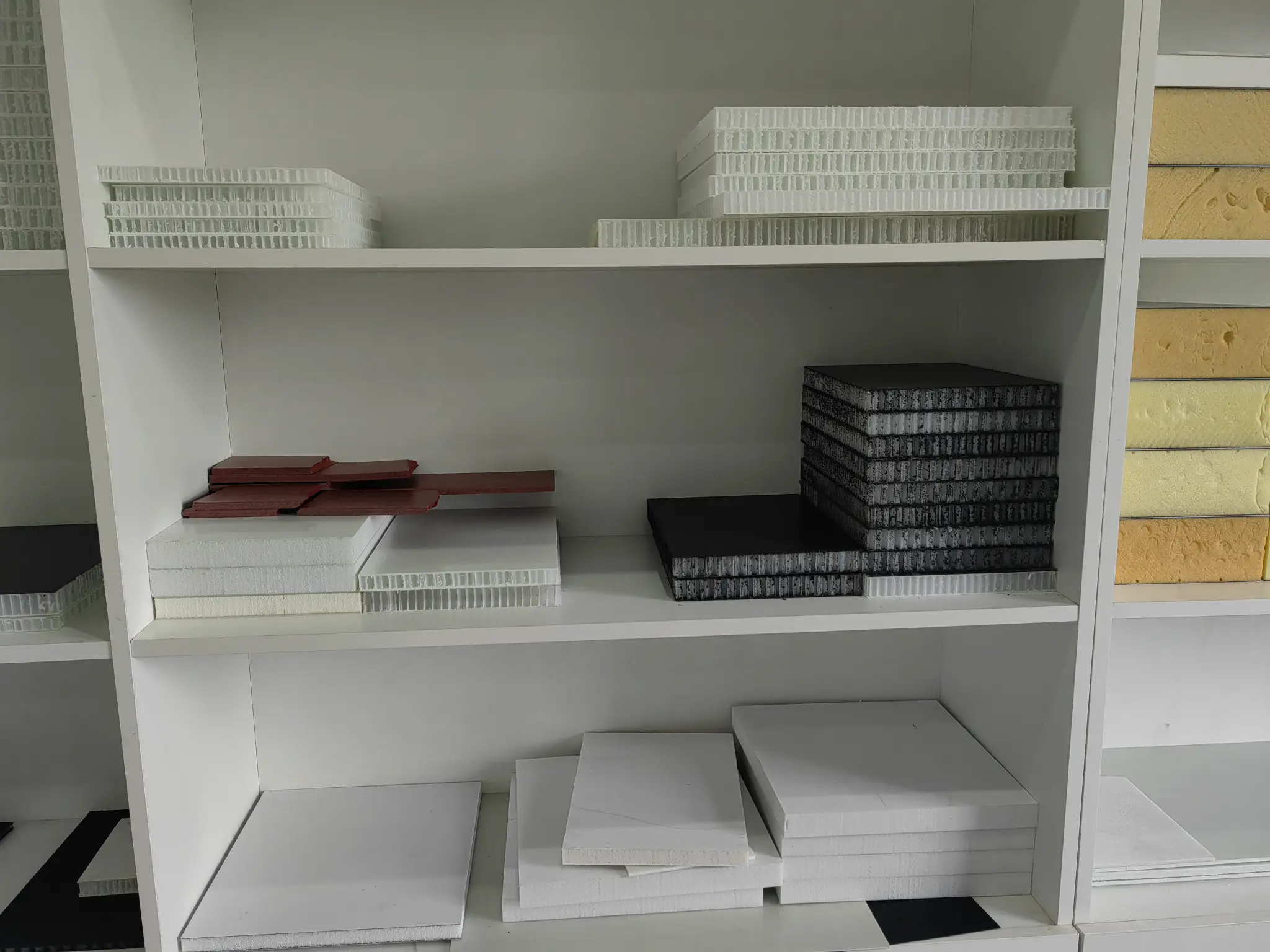
Our PP honeycomb sandwich panels combine a thermoplastic polypropylene honeycomb core with a wide range of face sheet (skin) materials to meet diverse application requirements. The biomimetic honeycomb structure provides maximum strength with minimum material usage — achieving up to 70% weight reduction compared to traditional plywood, MDF, and solid plastic panels. The core advantage lies in its cellular architecture: the hexagonal cells distribute loads uniformly across the structure, while the face sheets carry tensile, compressive, and bending loads. This sandwich construction delivers exceptional stiffness-to-weight ratio that no monolithic material can match.
Working Principle: The face sheets carry in-plane tensile and compressive loads, providing structural rigidity. The honeycomb core transfers shear loads between the face sheets through its cellular walls, while the air-filled cells provide thermal and acoustic insulation. This load distribution mechanism allows a 20mm honeycomb sandwich panel to achieve the same flexural stiffness as a 12mm solid plywood panel at less than half the weight.
Key Applications
Technical Specifications
PP Honeycomb Core Performance Data by Cell Size
| Cell Size | Density (kg/m\u00B3) | Compressive Str. (MPa) | Comp. Modulus (MPa) | Shear Str. (MPa) | Shear Mod. (MPa) | Temp. Range (\u00B0C) |
|---|---|---|---|---|---|---|
| 8mm | 80 | 1.66 | 45.7 | 0.50 | 15.2 | -40 to +80 |
| 10mm | 75 | 1.58 | 41.2 | 0.45 | 13.8 | -40 to +80 |
| 12mm | 70 | 1.47 | 38.9 | 0.40 | 12.5 | -40 to +80 |
Test method: ISO 844 (compression), ISO 1922 (shear). Values are typical averages.
FRP Composite Sandwich Panels
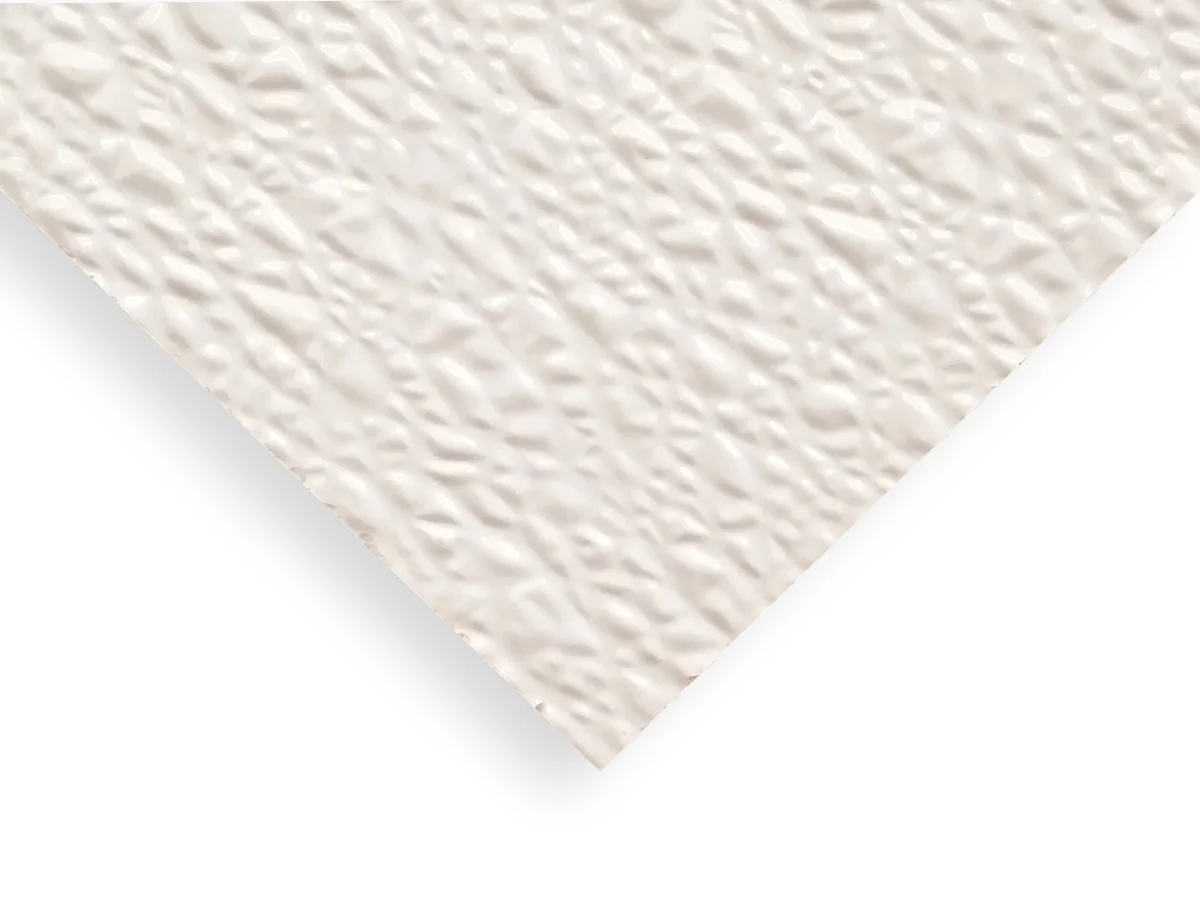
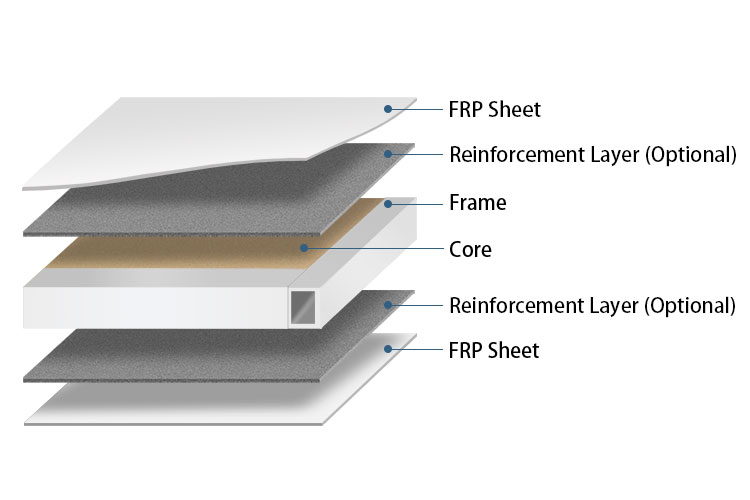
Our FRP (Fiberglass Reinforced Plastic) composite panels use glass fiber reinforced polyester/vinyl ester face sheets bonded to various core materials — including PP honeycomb, PU foam, XPS foam, and PET foam — creating versatile sandwich structures for demanding environments. The FRP face sheets contain 25-40% glass fiber by weight, delivering superior impact resistance, excellent water and chemical resistance, and remarkable durability. The gel-coat or painted surface provides UV stability and a smooth, professional finish that requires minimal maintenance.
FRP face sheets serve as the primary load-bearing element in the sandwich structure. The glass fiber reinforcement provides tensile strength (80-200 MPa) while the resin matrix transfers loads between fibers and provides environmental protection. When combined with different core materials, the panel properties can be precisely tuned: PU foam core for maximum thermal insulation (R-6.5/inch), XPS foam for moisture-resistant insulation, PP honeycomb for lightweight cost-effectiveness, or PET foam for structural applications requiring recyclability.
Key Applications
Technical Specifications
CFRT Thermoplastic Composite Panels
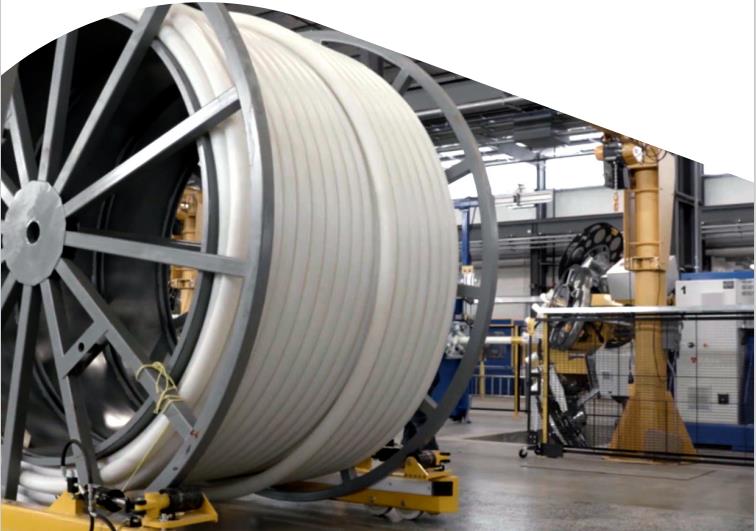
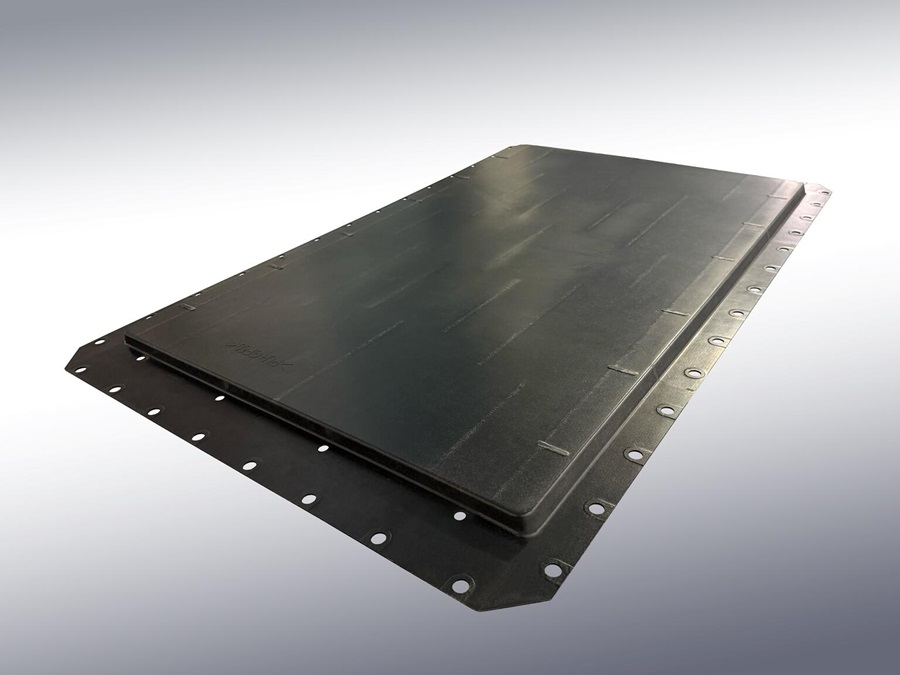
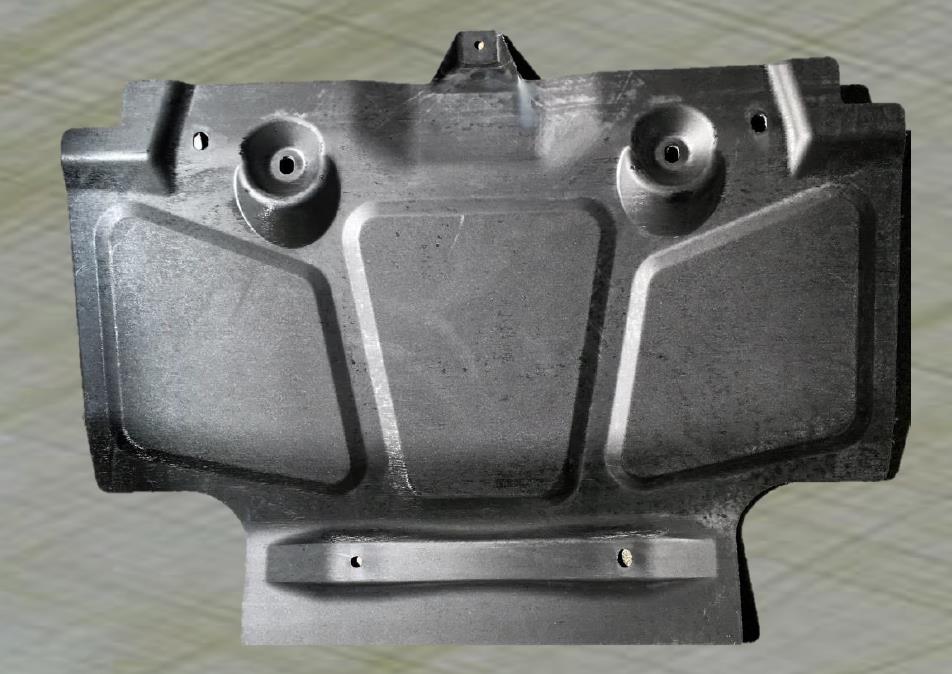
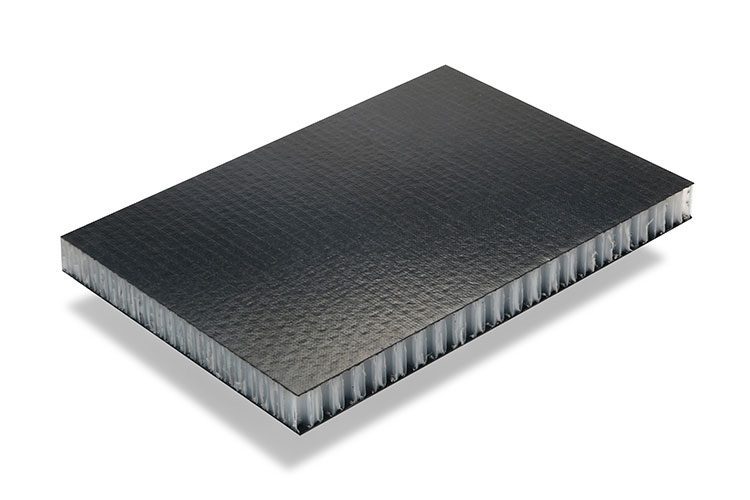
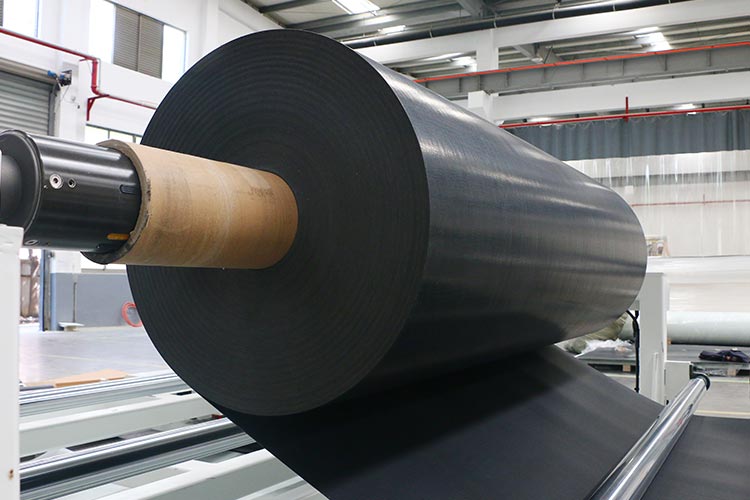
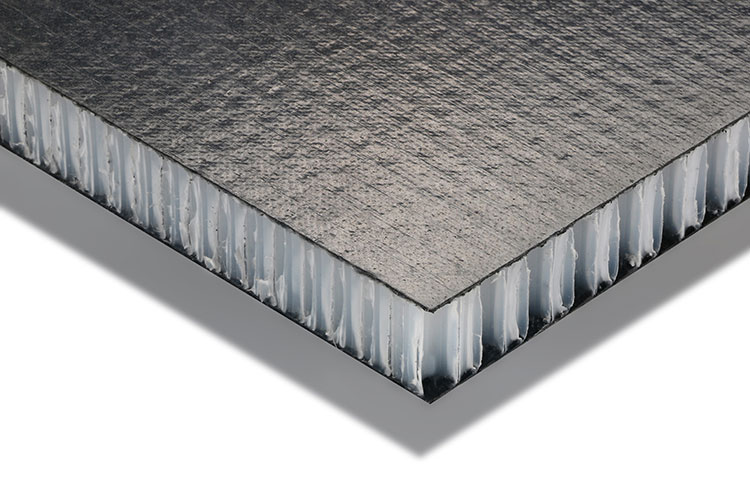
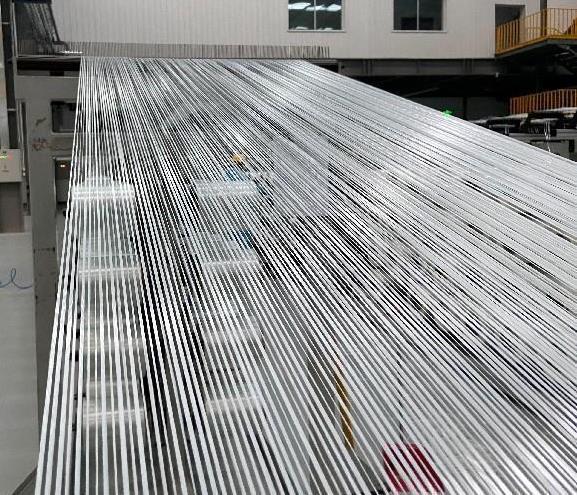
CFRT (Continuous Fiber Reinforced Thermoplastic) represents the next generation of composite technology. Unlike traditional chopped-fiber FRP, CFRT uses continuous unidirectional (UD) glass or carbon fiber tapes consolidated in a thermoplastic matrix (PP, PA6, PA66). This continuous fiber architecture delivers 3-5× higher tensile strength than equivalent-thickness chopped-fiber FRP, with superior impact resistance and scratch resistance. As a thermoplastic material, CFRT is fully recyclable, weldable, and can be thermoformed into complex 3D shapes — making it the material of choice for EV battery protection, automotive underbody shields, and high-performance structural applications.
CFRT vs Traditional FRP: The key difference is fiber continuity. In chopped-fiber FRP, short fibers (25-50mm) are randomly oriented, creating stress concentration points at fiber ends. In CFRT, continuous fibers run the full length of the sheet, providing uninterrupted load paths. This results in 3-5× higher tensile strength, 2-3× better impact resistance, and significantly improved fatigue life. The thermoplastic matrix (vs thermoset in FRP) enables recycling, welding, and rapid thermoforming — reducing cycle times from hours to minutes.
Key Applications
Technical Specifications
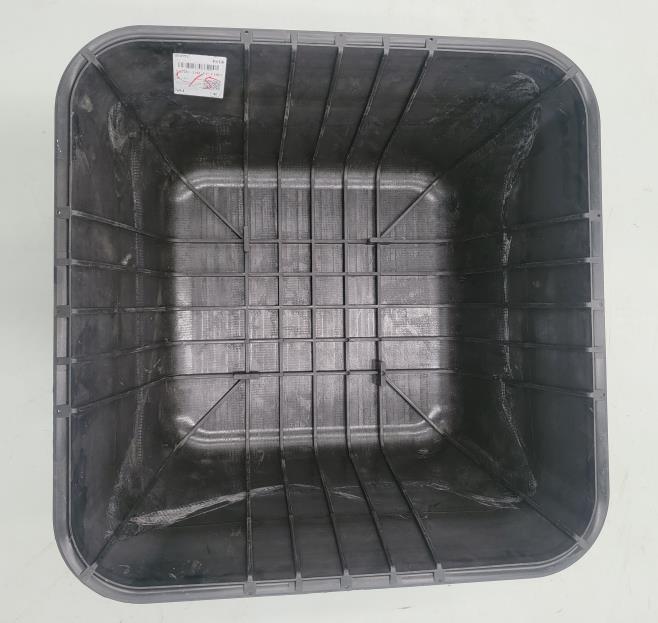
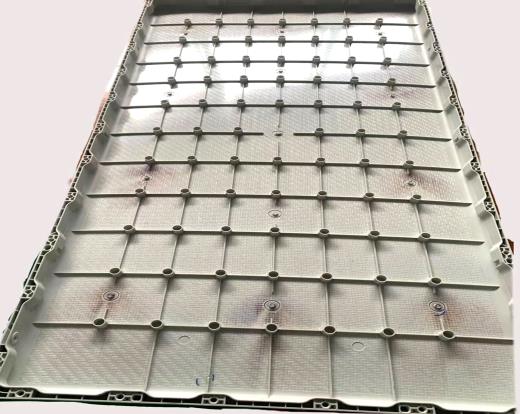
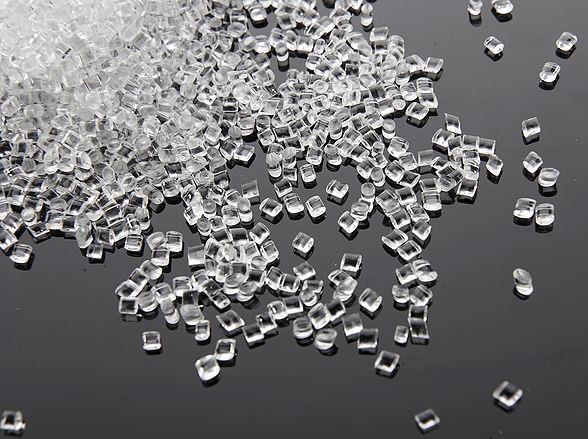
PP Honeycomb Core Materials
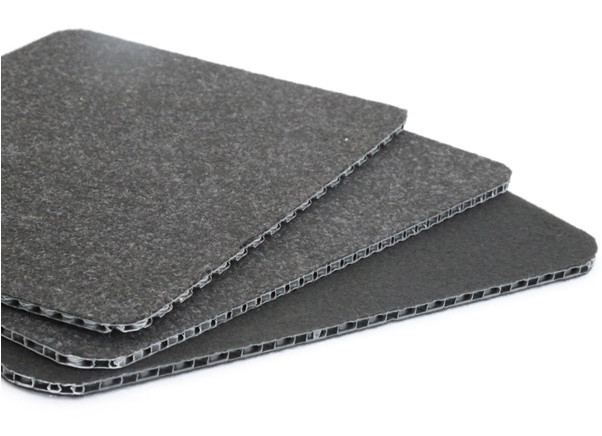
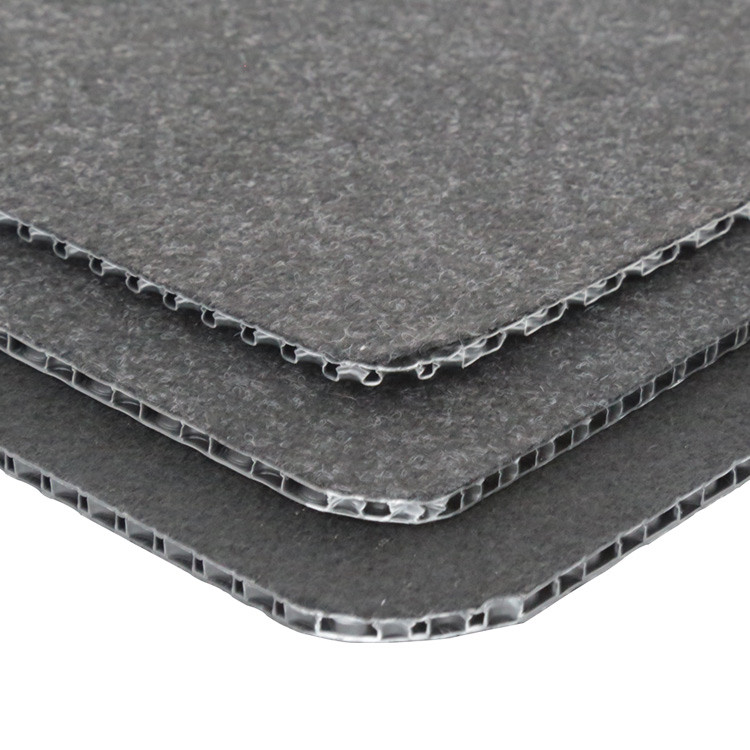
Our PP honeycomb core is the foundation of our sandwich panel technology. Manufactured using advanced thermoplastic extrusion processes, the biomimetic honeycomb structure forms a large number of regularly arranged hollow hexagonal cells that provide maximum strength with minimum material. The core is compatible with 15+ face sheet materials through either adhesive bonding or thermoplastic composite processes. We supply raw honeycomb core sheets to panel manufacturers, OEMs, and fabricators worldwide for custom sandwich panel production.
Cell size selection guide: 8mm cells provide the highest density (80 kg/m³) and compressive strength (1.66 MPa), ideal for heavy-load applications like bus floors and truck cargo floors. 10mm cells offer a balanced performance-to-weight ratio suitable for most RV and building applications. 12mm cells are the lightest (70 kg/m³) and most cost-effective, best for interior walls, furniture, and packaging where load requirements are moderate.
Key Applications
Technical Specifications
PP Honeycomb Core Performance Data by Cell Size
| Cell Size | Density (kg/m\u00B3) | Compressive Str. (MPa) | Comp. Modulus (MPa) | Shear Str. (MPa) | Shear Mod. (MPa) | Temp. Range (\u00B0C) |
|---|---|---|---|---|---|---|
| 8mm | 80 | 1.66 | 45.7 | 0.50 | 15.2 | -40 to +80 |
| 10mm | 75 | 1.58 | 41.2 | 0.45 | 13.8 | -40 to +80 |
| 12mm | 70 | 1.47 | 38.9 | 0.40 | 12.5 | -40 to +80 |
Test method: ISO 844 (compression), ISO 1922 (shear). Values are typical averages.
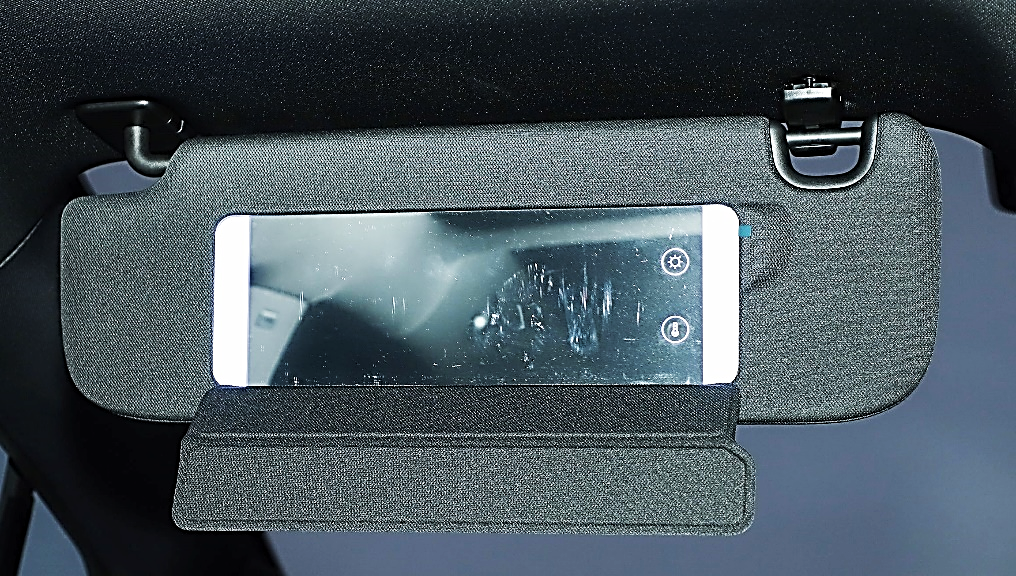
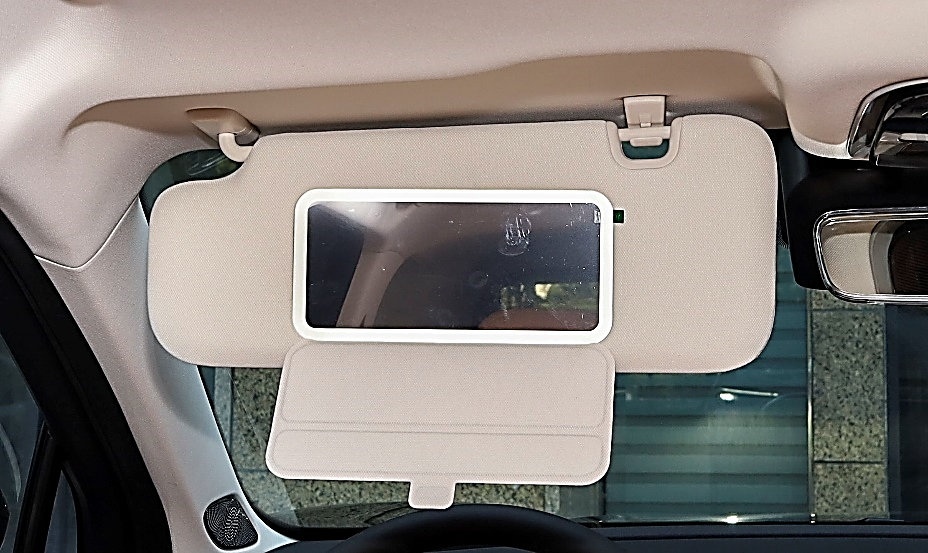
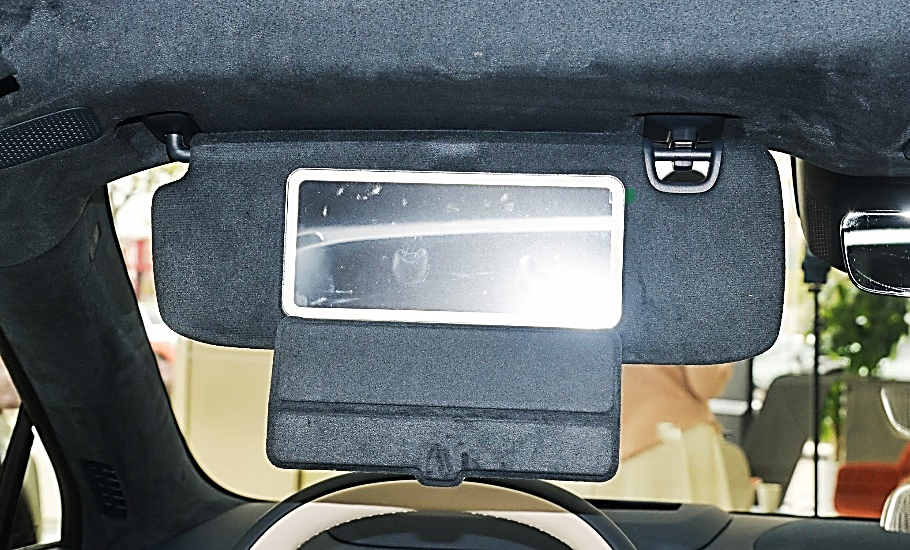
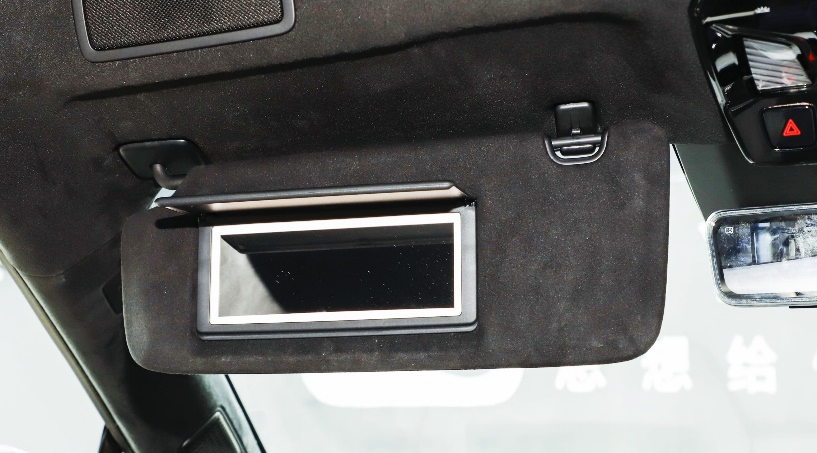
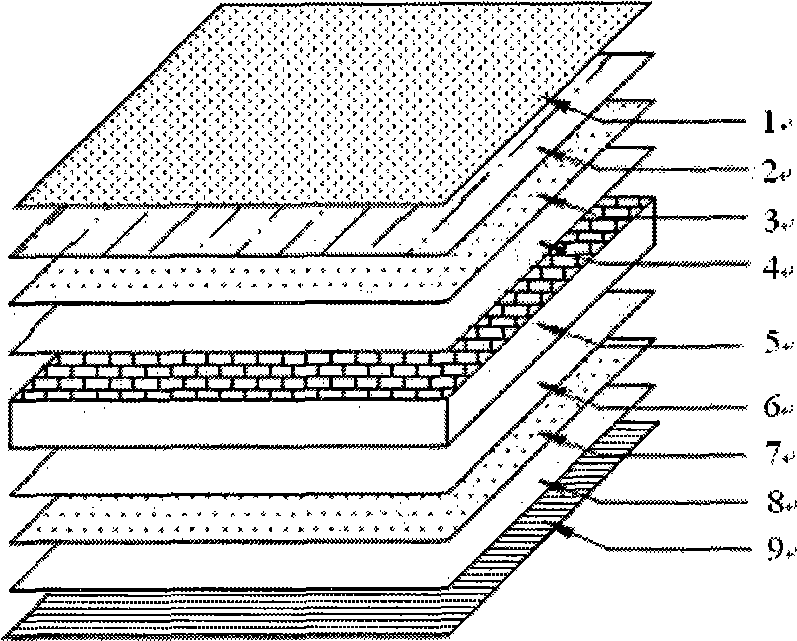
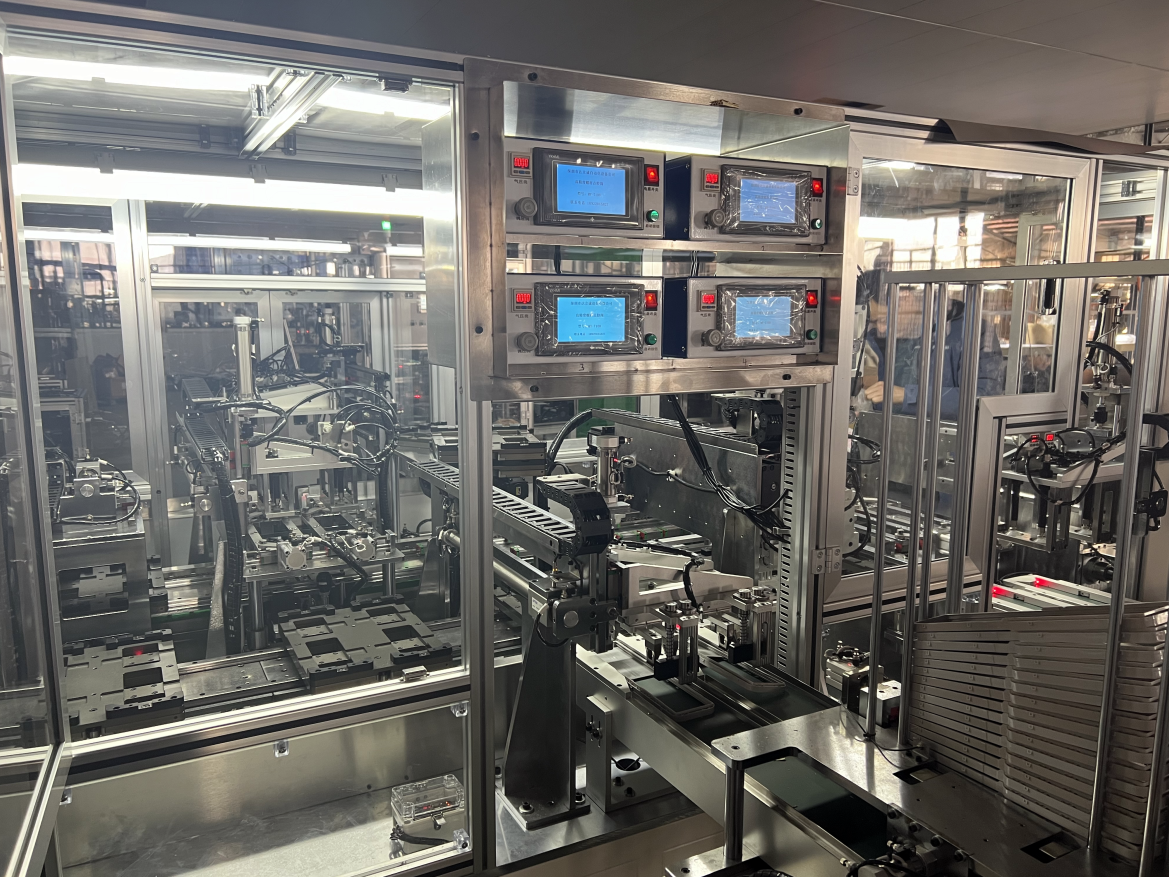

Automotive Interior Composite Parts
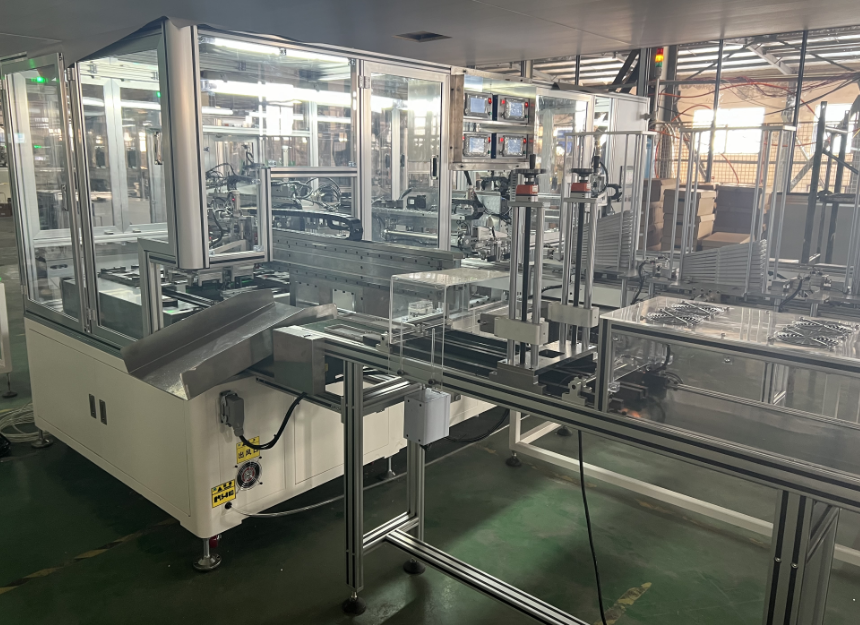
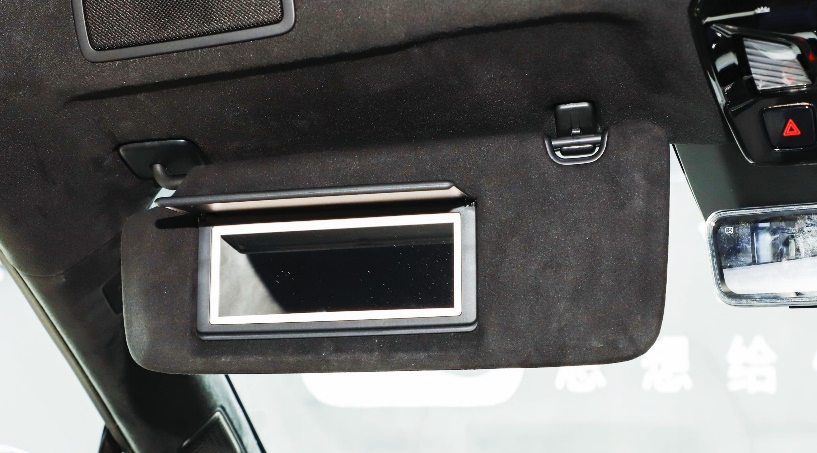
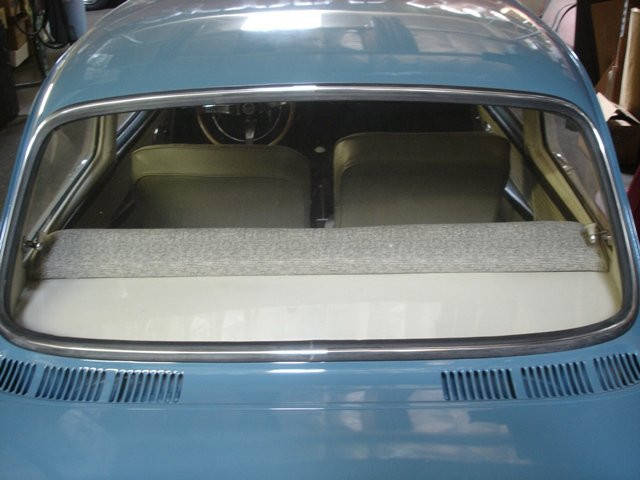
Our automotive interior composite parts division specializes in lightweight, eco-friendly interior components for passenger vehicles and new energy vehicles. With 26 years of sun visor manufacturing expertise and deep honeycomb panel R&D experience, we supply OEM-grade interior components to leading Chinese and international automakers. Our products combine PP honeycomb core technology with advanced surface materials — including automotive-grade non-woven fabric, needle-punched carpet, PVC leather, and Alcantara-style suede — to achieve 20-30% weight reduction while meeting stringent automotive quality standards including IATF 16949, GB 8410 (flammability), and GB/T 27630 (VOC emissions).
Automotive interior panels require a unique balance of lightweight design, acoustic performance, and aesthetic quality. Our PP honeycomb core provides the structural backbone at a fraction of the weight of traditional materials (PP board, MDF, or metal). The face sheet selection is critical: non-woven fabric for headliners (acoustic NRC > 0.5), needle-punched carpet for trunk floors (abrasion resistance > 10,000 cycles), and PVC/suede for sun visors (UV resistance, color fastness grade 4+). All materials meet automotive VOC emission standards (formaldehyde < 0.1 mg/m³, TVOC < 0.5 mg/m³).
Key Applications
Technical Specifications
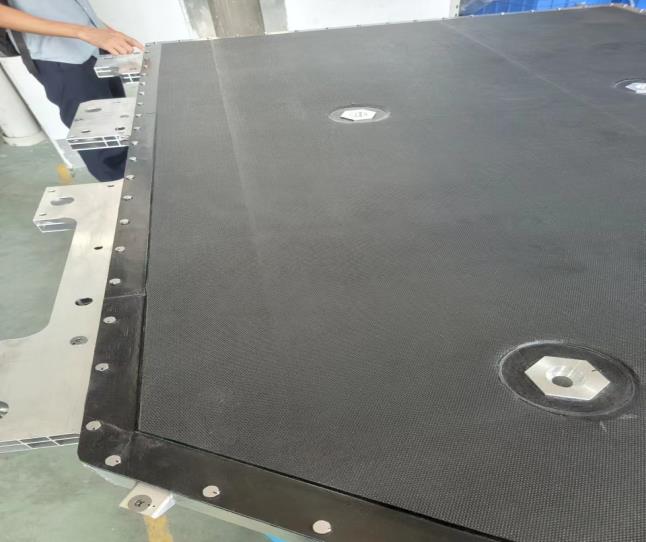
PET Foam Core Materials
Our PET (Polyethylene Terephthalate) foam core materials are closed-cell thermoplastic structural foams manufactured from recycled PET bottles. PET foam offers excellent shear and compressive strength, making it an ideal core material for sandwich structures that require both mechanical performance and thermal/acoustic insulation. With density grades ranging from 80 to 250 kg/m³, PET foam can be precisely matched to application requirements — from lightweight interior panels to heavy-duty structural components. The material is compatible with all resin systems, thermoformable for complex shapes, and 100% recyclable at end of life.
PET foam is increasingly replacing traditional core materials (balsa wood, PVC foam) in high-performance applications. Key advantages: (1) Higher temperature resistance than PVC foam (100°C long-term vs 60°C), enabling use in hot-climate and autoclave-processed applications. (2) Better environmental profile — made from recycled bottles, zero greenhouse gas emissions during production, and fully recyclable. (3) Thermoformable — can be heated and shaped into complex curved structures, unlike rigid PVC foam. (4) Compatible with all resin systems including epoxy, polyester, vinyl ester, and phenolic.
Key Applications
Technical Specifications
PET Foam Core Performance Data by Density Grade
| Grade | Density (kg/m\u00B3) | Comp. Str. (MPa) | Comp. Mod. (MPa) | Tens. Str. (MPa) | Tens. Mod. (MPa) | Shear Str. (MPa) | Shear Mod. (MPa) |
|---|---|---|---|---|---|---|---|
| PET-80 | 85-95 | 0.85 | 73 | 1.40 | 90 | 0.55 | 13.5 |
| PET-100 | 100-110 | 1.20 | 100 | 1.80 | 110 | 0.80 | 23.0 |
| PET-120 | 120-130 | 1.80 | 115 | 2.20 | 120 | 0.90 | 27.0 |
| PET-150 | 150-160 | 2.40 | 140 | 2.50 | 160 | 1.25 | 35.0 |
| PET-200 | 190-210 | 3.90 | 200 | 3.20 | 210 | 1.70 | 51.0 |
| PET-250 | 235-260 | 5.20 | 235 | 4.00 | 275 | 2.05 | 70.0 |
Test standards: ISO 844 (compression), ISO 845 (density), ASTM C297 (tensile), ISO 1922 (shear). Values are typical averages.
Face Sheet (Skin) Selection Guide
Our PP honeycomb sandwich panels can be combined with 15+ face sheet materials to meet diverse application requirements. Each face sheet brings unique properties \u2014 from structural strength and waterproofing to decorative finishes and acoustic insulation. Select the right face sheet based on your application needs.
| Face Sheet | Full Name | Thickness | Key Advantages | Best Applications | Composite Method |
|---|---|---|---|---|---|
| FRP / GRP | Fiberglass Reinforced Plastic | 0.7-5.0mm | High strength, waterproof, UV resistant, gel-coat finish | Truck bodies, RV exterior walls, cold chain panels, marine | Adhesive bonding |
| CFRT | Continuous Fiber Reinforced Thermoplastic | 0.3-3.0mm | Highest strength-to-weight, scratch resistant, recyclable, no VOC | Refrigerated trucks, dry cargo vans, EV battery shields | Thermal lamination (glue-free) |
| Aluminum Sheet | Aluminum Alloy Sheet (1060/3003/5052) | 0.3-2.0mm | Structural rigidity, thermal conductivity, corrosion resistant | Building facades, marine panels, industrial equipment | Adhesive bonding |
| Checkered Aluminum | Anti-slip Checkered Aluminum Plate | 1.0-3.0mm | Anti-slip surface pattern, heavy-duty load bearing, waterproof | Bus floors, truck cargo floors, industrial walkways, stage flooring | Adhesive bonding |
| Non-woven Fabric | PP/PET Non-woven Fabric | 0.1-1.0mm | Ultra-lightweight, acoustic insulation, low cost, breathable | Automotive headliners, door panels, packaging, furniture backing | Thermal lamination |
| Automotive Carpet | Needle-punched Automotive Carpet/Felt | 2.0-6.0mm | Acoustic dampening, soft touch, OEM-grade appearance | Trunk load floors, parcel shelves, headliners, RV interior floors | Thermal lamination |
| Vinyl Leather (PVC) | PVC Artificial Leather / Wood Grain Film | 0.3-1.5mm | Decorative, easy to clean, moisture proof, many patterns available | RV interior walls, furniture panels, bathroom walls, exhibition boards | Adhesive bonding / film lamination |
| HPL | High-Pressure Laminate (Formica-type) | 0.6-1.5mm | Scratch resistant, decorative, fire rated, hygienic surface | Clean rooms, building partitions, raised floors, laboratory walls | Adhesive bonding |
Thermoplastic Composite (Glue-Free)
Since both the PP honeycomb core and CFRT face sheets are thermoplastics, they can be bonded through heating without adhesive. The heated surfaces melt and fuse together under pressure, creating a molecular-level bond that is stronger than adhesive bonding and will not delaminate.
Adhesive Bonding (Vacuum/Hot Press)
For non-thermoplastic face sheets (FRP, metal, carbon fiber, HPL), structural adhesives are used to bond the face sheets to the honeycomb core under vacuum or hot press. This method accommodates the widest range of face sheet materials and provides excellent bond strength.
Core Material Comparison
Choosing the right core material is critical to panel performance. Compare the key properties of PP honeycomb, PET foam, XPS foam, and PU foam to find the optimal core for your application.
| Property | PP Honeycomb | PET Foam | XPS Foam | PU Foam |
|---|---|---|---|---|
| Density (kg/m³) | 60-80 | 80-260 | 30-50 | 28-50 |
| Compressive Strength (MPa) | 1.47-1.66 | 0.85-5.20 | 0.3-0.7 | 0.15-0.35 |
| Shear Strength (MPa) | 0.40-0.50 | 0.55-2.05 | 0.15-0.30 | 0.10-0.20 |
| Thermal Conductivity (W/m·K) | N/A (air cells) | 0.032-0.038 | 0.025-0.035 | 0.023-0.025 |
| R-Value per inch | Low | ≈4.0 | ≈5.0 | ≈6.5 |
| Max Temperature (°C) | 80 | 100 (long-term) | 75 | 80-100 |
| Water Absorption | ≈0% | Very low | Low | Low-Medium |
| Recyclable | Yes (PP) | Yes (PET) | Limited | No |
| Best For | Lightweight floors & walls | Structural panels | Insulated panels | High-insulation panels |
Lightest Weight
PP Honeycomb
Best for floors, walls, furniture where weight is critical
Highest Strength
PET Foam (250 grade)
Best for structural panels requiring high compressive loads
Best Insulation
PU Foam
R-6.5/inch — ideal for refrigerated trucks and cold rooms
Most Eco-Friendly
PET Foam
Made from recycled bottles, 100% recyclable at end of life
Panel Selection Guide by Application
Not sure which panel to choose? Our engineering team has compiled recommended panel configurations for each industry and component. Click any industry to see the detailed recommendations.
CNC Custom Machining & Precision Cutting
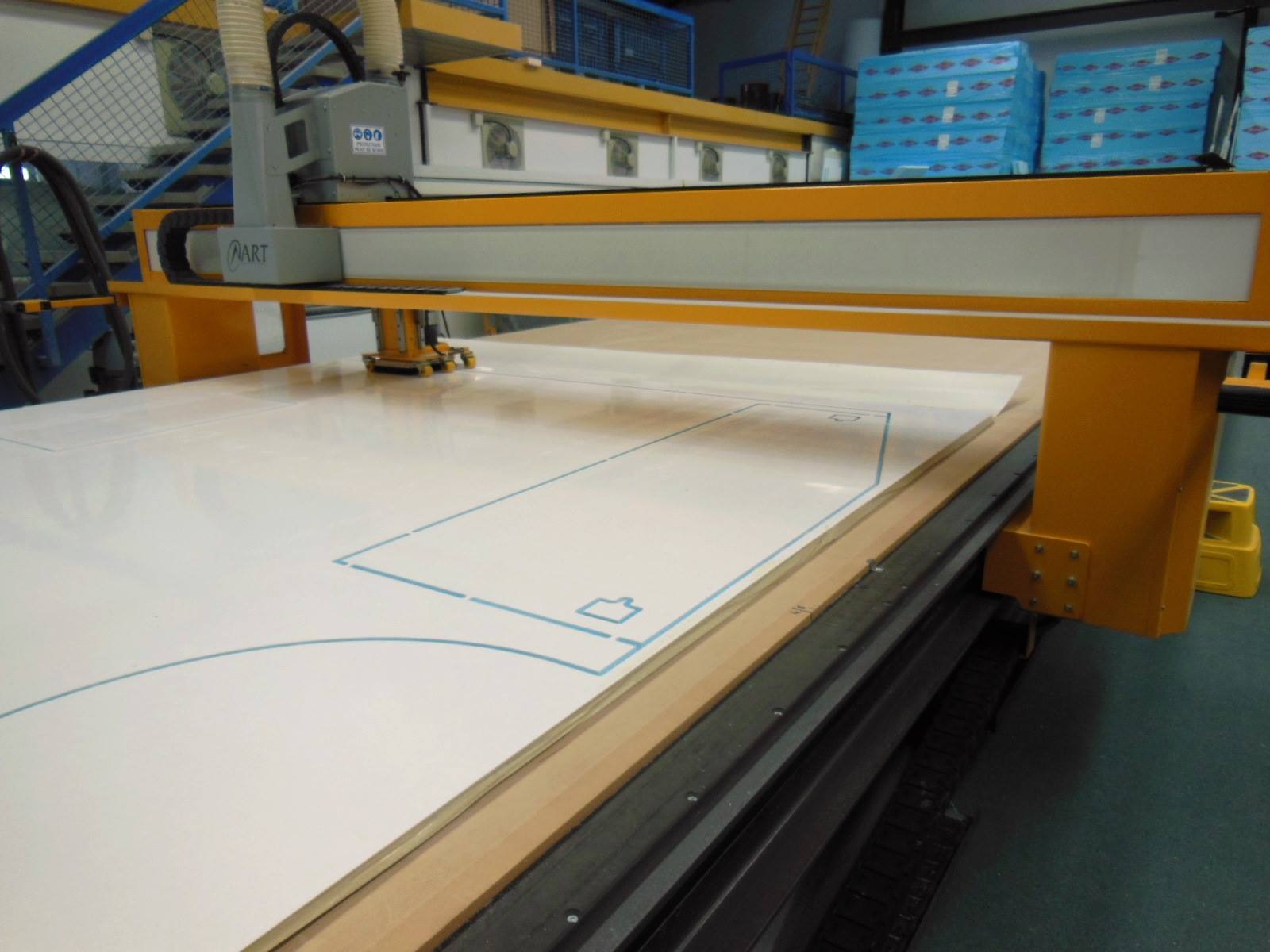
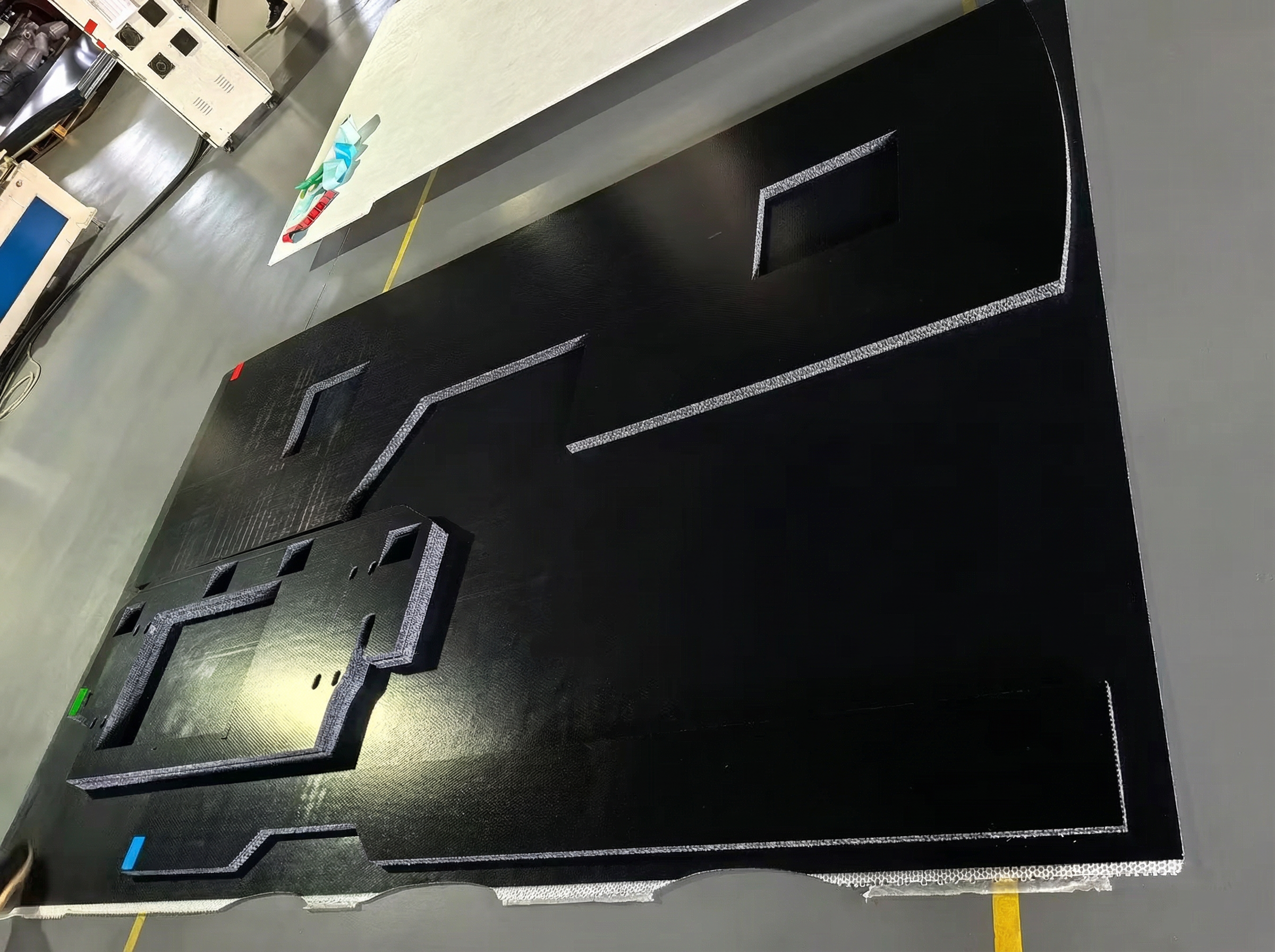
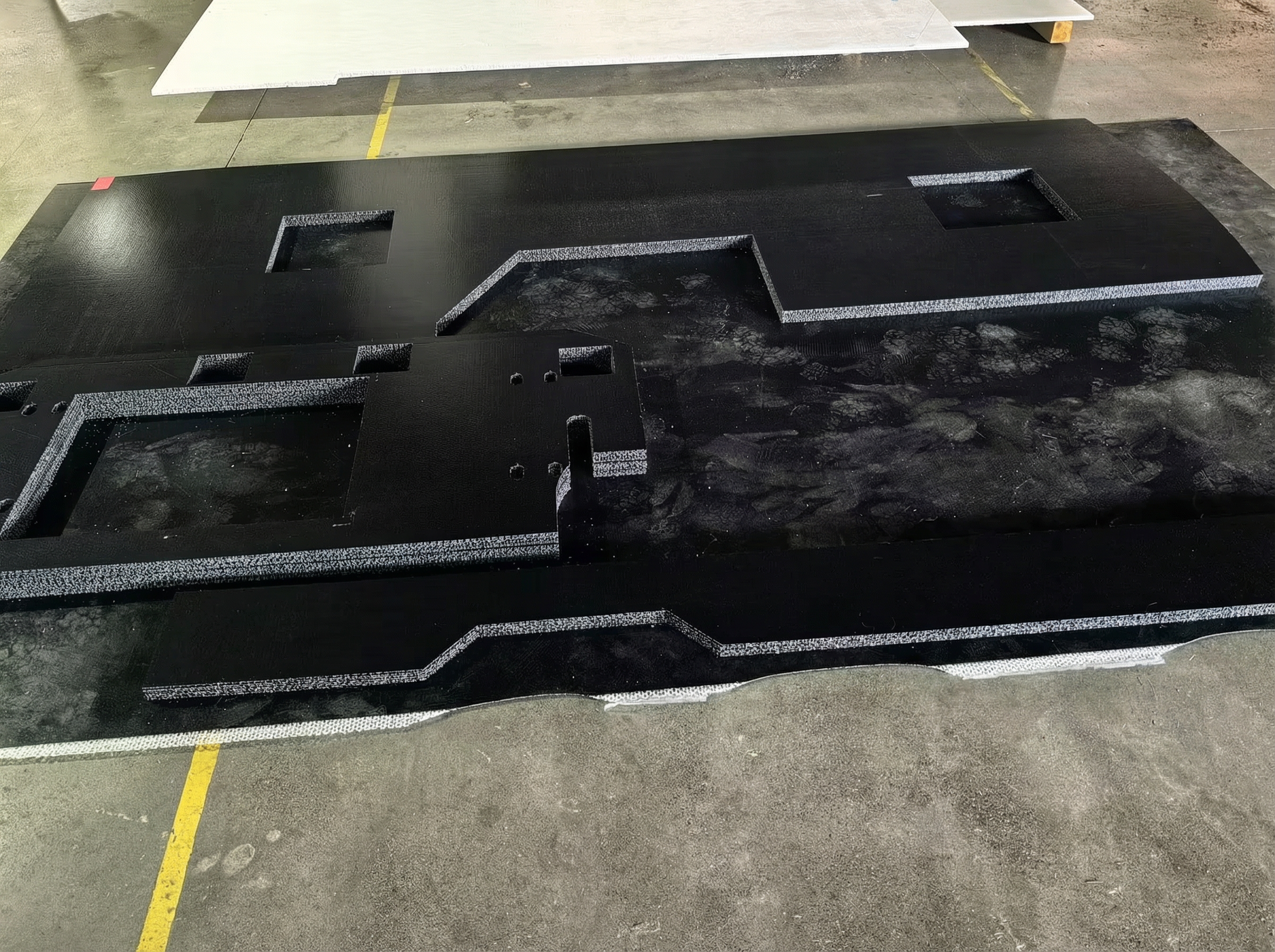
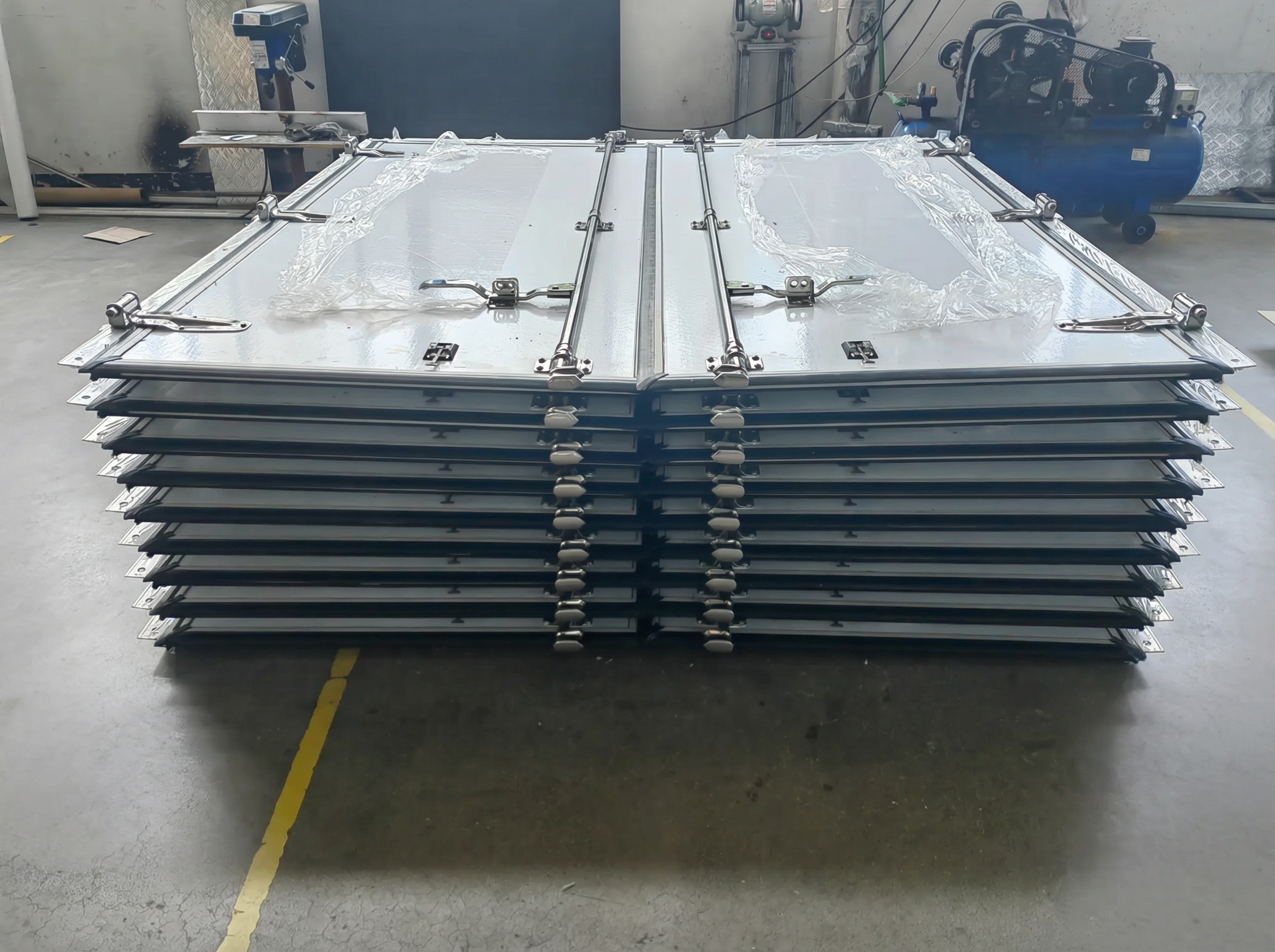
Beyond standard panel supply, we offer comprehensive CNC machining services to deliver ready-to-install composite components. Send us your engineering drawings and we will machine panels into any shape, size, or contour with precision tolerance.
From Drawing to Finished Part
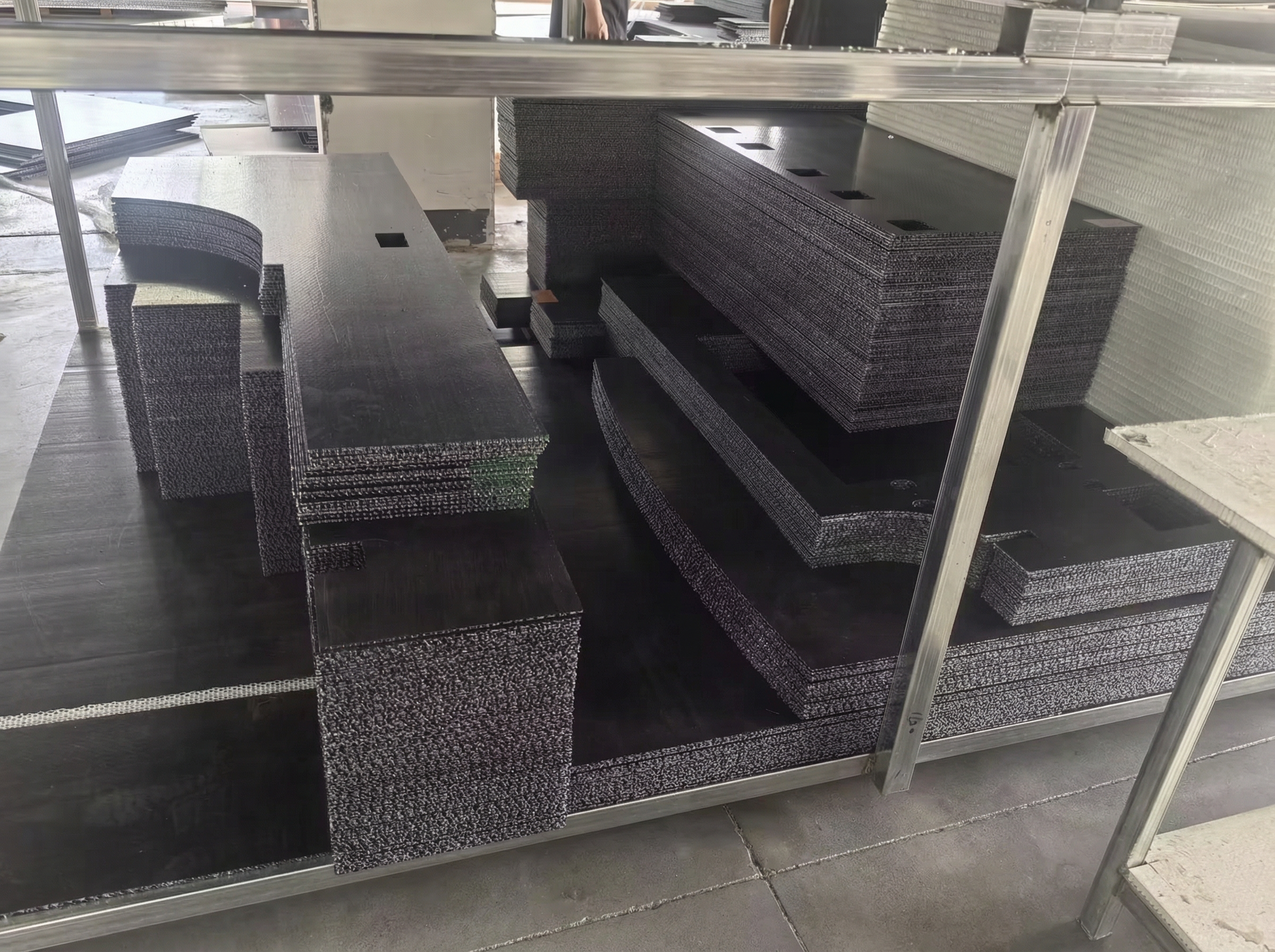
Our advanced CNC routers and 5-axis cutting machines can process composite panels into any shape according to your engineering drawings. Whether you need custom cutouts for RV interiors, precision-shaped truck body panels, or complex contoured parts for marine applications, we deliver ready-to-install components.
Quality Testing Videos
Watch real quality tests from our laboratory. Every batch of panels undergoes rigorous testing per ISO and ASTM standards to ensure consistent performance and reliability.
Peeling Strength Test (ISO 1922)
Demonstrates the bonding strength between face sheets and honeycomb core. Our panels consistently exceed industry standards for delamination resistance, ensuring long-term structural integrity under cyclic loading conditions.
Compression Strength Test (ISO 844)
Shows the compressive performance of PP honeycomb panels under controlled loading. Our 8mm cell core achieves 1.66 MPa compressive strength while maintaining ultra-lightweight properties \u2014 sufficient for bus floor and truck cargo floor applications.
All tests conducted per ISO and ASTM standards in our in-house quality laboratory. Full test reports available upon request.
Need Custom Specifications?
We offer fully customizable composite panel solutions with CNC machining services. Tell us your application, required dimensions, face sheet preference, and performance requirements \u2014 our engineering team will recommend the optimal configuration.